
Advanced Materials Plan: Seven Regions United for Spain’s Technological Future
Spain has succeeded, for the first time, in coordinating seven autonomous communities in a common R&D&I program on advanced materials, with a combined investment of 53 million euros and results that include more than 750 scientific publications, 16 patents, 60 research projects, and new strategic scientific infrastructures.
Spain is making decisive progress in the development of advanced materials thanks to the Complementary Plan on Advanced Materials, a Government initiative aimed at strengthening science, innovation, and territorial collaboration in one of the most strategic technological areas of the future. This program is part of the group of Complementary Plans of the Recovery, Transformation and Resilience Plan (PRTR) and seeks to coordinate and enhance the scientific and technological capabilities of the autonomous communities in eight key areas.
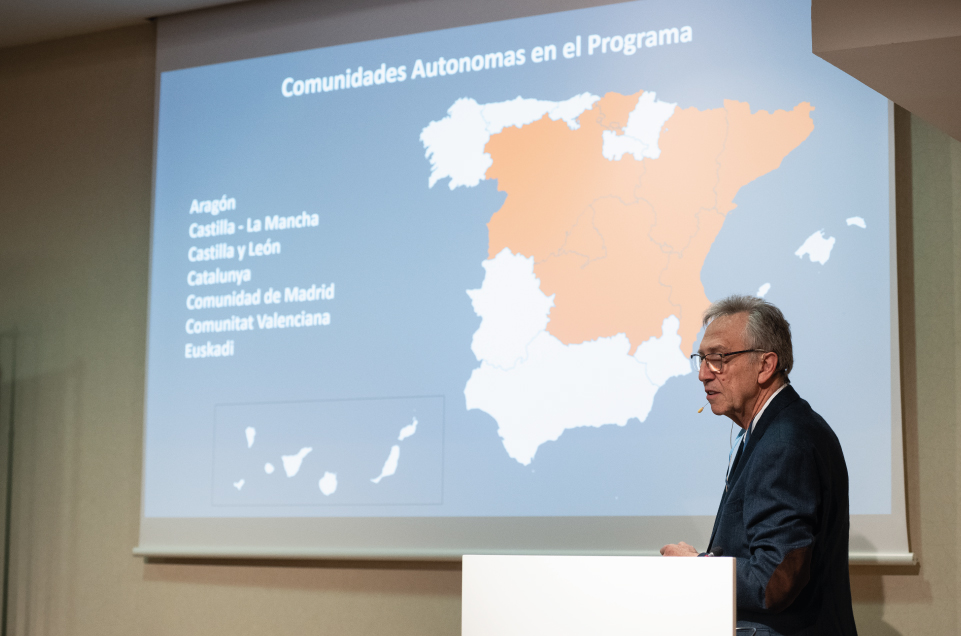
Seven autonomous communities—Aragon, Catalonia, Castile and León, the Valencian Community, Madrid, the Basque Country, and Castile-La Mancha—have joined this initiative, which has involved a total investment of 53 million euros, 22 million of which were contributed by regional governments.
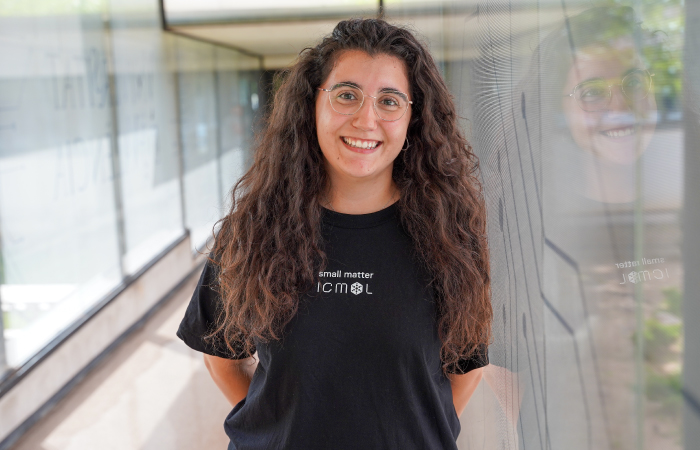
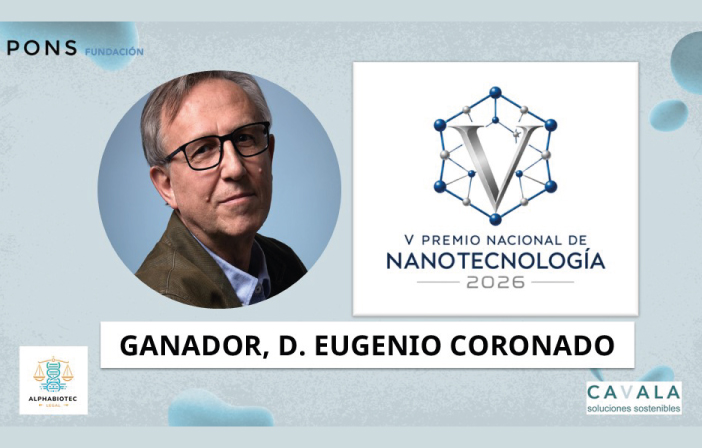
The national coordinator of the program, Eugenio Coronado, director of the Institute of Molecular Science (ICMol), explains that “the goal is to design materials ranging from two-dimensional nanomaterials such as graphene to intelligent materials, so that they can have direct applications in energy, health, mobility, and information technologies.”
Since its launch, the plan has funded more than 70 research projects focused on the design and application of advanced materials. The work covers areas such as energy generation and storage, information and communication technologies, smart materials, biomedicine, and the environment, and has a direct impact on emerging technologies such as quantum computing and precision medicine. These research lines drive the energy transition and contribute to the development of cleaner, more sustainable solutions. In addition, the creation of a specific interuniversity master’s degree will help train new generations of scientists specializing in this strategic field.
Coronado also highlights the collaborative nature of the program, stating that “this program is an example of cooperation between regions, research centers, universities, and companies. Together we generate synergies that accelerate innovation.”
The plan is part of Component 17 of the PRTR, which strengthens the national science, technology, and innovation system. Due to the cross-cutting nature of advanced materials, synergies have been established with other strategic areas of the plan itself, such as quantum communication, green hydrogen, and biotechnology applied to health. The results also align with national initiatives such as the PERTE for renewable energies, hydrogen and storage, the aerospace PERTE, and the chip PERTE.
The progress achieved in recent years reflects the program’s impact on the scientific community and the country’s innovation ecosystem. More than 70 research groups from over 25 centers have participated in the development of 70 R&D projects, 12 of which have been carried out in collaboration with companies. These efforts have produced more than 750 scientific publications and 16 patents. In terms of excellence indicators, 12 of the participating centers hold Severo Ochoa or María de Maeztu excellence distinctions, and the groups involved lead at least 25 ERC Research Grants, demonstrating the outstanding scientific level of those participating.
The plan has also made it possible to fund new strategic infrastructures, such as the installation of scientific hardware at the Donostia International Physics Center (DIPC) and a new experimental beamline for in-situ and operando characterization of materials and devices at ALBA, the Spanish synchrotron.
In addition, it has driven the creation of AMatS, an annual conference that has already become a meeting point for the Spanish advanced materials community, and it has launched a specific interuniversity master’s degree to train future specialists in this field.
In Coronado’s words, “we are building the future of advanced materials in Spain. This integrative effort is for all of society, for a more innovative, sustainable, and competitive country.”
.jpg)